Morning Pages: A Complete Guide to the Daily Writing Practice
Learn how to establish a morning pages routine that clears your mind, sparks creativity, and builds a sustainable writing practice.

What Are Morning Pages
Morning pages are three pages of handwritten, stream-of-consciousness writing completed first thing in the morning. This practice involves putting pen to paper without planning, editing, or second-guessing your thoughts.
The technique comes from Julia Cameron's book "The Artist's Way," where it serves as a foundational creative practice. The goal is not to produce polished prose but to empty your mind onto the page before your day begins.
Why Morning Pages Matter
Starting your day with this writing practice creates mental clarity before external demands take over. Your brain processes concerns, anxieties, and random thoughts while you write, freeing cognitive space for the rest of the day.
Many people find that morning pages reduce anxiety and improve focus. By externalizing mental clutter, you create room for intentional thinking and creative problem-solving.
The practice also builds consistency in your writing habit. Regular daily freewriting strengthens your ability to write without self-criticism, a skill that transfers to all your creative work.
The Basic Morning Pages Structure
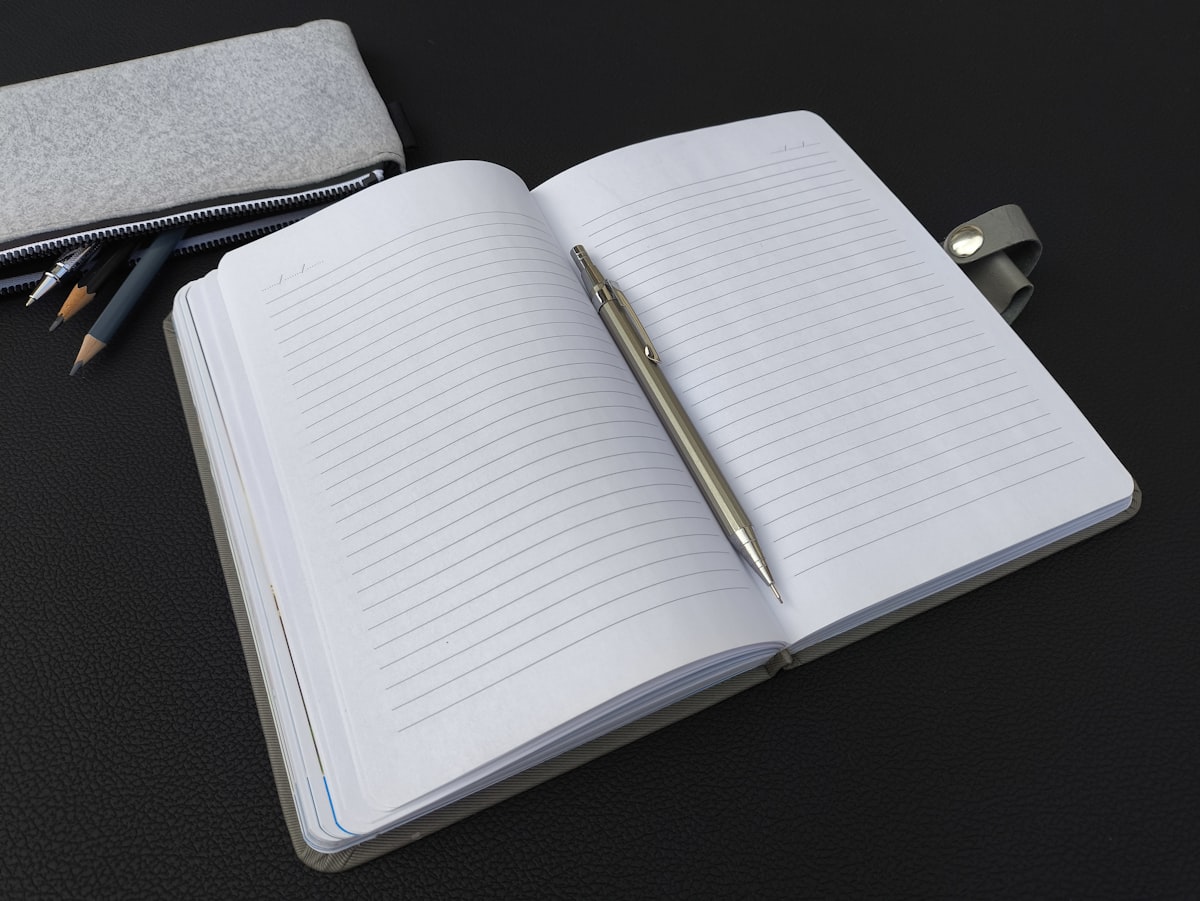
Your personal notebook should become your companion for this practice. The standard approach involves writing three pages by hand each morning, though some people adapt this based on their circumstances.
There is no prescribed format or structure. You write whatever comes to mind, whether that is worries, plans, observations, or complete nonsense. The pages are private, meant only for your eyes.
The handwriting speed should be natural but consistent. Writing by hand engages different neural pathways than typing and helps you stay present with the process.
Getting Started: Essential Setup
Find a quiet space where you can sit with your notebook for fifteen to twenty minutes. This space does not need to be elaborate—a kitchen table or corner chair works perfectly.
Choose a notebook that feels pleasant to write in. Some people prefer lined pages, while others choose blank or dotted formats. The notebook should be something you genuinely want to use.
Keep your pen nearby at all times. Having your materials ready removes friction from starting the habit. Many people designate a specific pen they enjoy writing with, making the practice feel more intentional.
Set a consistent time to write, ideally before checking your phone or email. Morning pages work best when they happen before your external obligations begin influencing your thoughts.
The Three-Page Practice Explained
Most practitioners write exactly three pages, though some adjust this based on their schedule or needs. Three pages typically takes fifteen to twenty minutes to complete.
Do not count pages by word count. Physical pages provide a concrete goal that keeps you from obsessing over productivity while writing.
The first page often contains surface-level complaints or observations. This initial page helps you clear away the immediate mental debris.
Page two frequently reveals deeper thoughts and genuine concerns. As your mind settles, more substantial reflection emerges.
Page three sometimes contains clarity, creativity, or resolution about your thoughts. This is where insights often surface naturally.
What to Write on Your Pages
Write whatever emerges without filtering. Common topics include concerns about specific people, worries about work or finances, resentment, gratitude, and random observations.
Your daily freewriting might include complaints you would never voice aloud. This privacy is essential to the practice. No one will read these pages, so complete honesty becomes possible.
Some mornings yield seemingly pointless rambling. Other mornings bring surprising insights or solutions to problems you have been facing. Both types of sessions are equally valuable.
If you cannot think of what to write, write that. "I have nothing to write about" repeated across a page counts as morning pages. Eventually, something will emerge beneath that resistance.
Building Your Notebook Routine
Start small if three pages feels overwhelming. Writing one page consistently matters more than struggling through three pages you do not actually do.
Many people find that their handwriting becomes faster and less self-conscious as they continue the practice. This natural progression happens without forced effort.
Keep your completed pages in a safe place. Most practitioners do not reread their morning pages for months or years, if ever. The writing is a process, not a product meant for evaluation.
If privacy concerns worry you, consider using a personal notebook that stays locked in a drawer or kept in your own space. This security helps you write with complete freedom.
Morning Pages and Anxiety
This reflective writing practice has shown particular value for people managing anxiety. Writing worries down reduces their psychological weight and helps you process fears more constructively.
The structured nature of the notebook routine creates a container for anxious thoughts. Once written, these thoughts occupy specific pages rather than cycling through your mind throughout the day.
Some people find that certain patterns emerge in their morning pages over time. These patterns reveal what genuinely concerns you versus what your anxious mind fixates on temporarily.
For this reason, many people combine morning pages with other anxiety-management strategies rather than relying on writing alone.
Common Challenges and Solutions
Some people struggle with the blank page at first. Starting with a prompt or writing the first line for yourself can help overcome initial resistance.
Others feel pressure to write "correctly" or produce meaningful content. Reminding yourself that no one will grade these pages helps silence the internal critic.
If three pages genuinely does not fit your life, write one page consistently. The regularity matters more than the volume.
Some people find that morning pages surface difficult emotions they are not ready to process. This is normal. Your personal notebook becomes a space to acknowledge these feelings safely.
Maintaining Consistency
The same time each morning helps morning pages become automatic. Your brain learns to enter the writing state without resistance.
Do not skip pages on days you are too busy. Even one rushed page maintains the habit and keeps the practice from becoming all-or-nothing.
Some people set a commitment period, perhaps thirty days or ninety days, to establish the practice. Having a defined timeline creates motivation without indefinite obligation.
Returning to your pages after a break is always possible. There is no failure if you stop and restart. Many people cycle through periods of consistent practice.
Morning Pages Versus Other Writing Practices
Stream-of-consciousness journaling resembles morning pages but often focuses on specific themes or reflections. Morning pages intentionally avoid structured reflection, accepting whatever the mind produces.
Traditional diary writing often records events and experiences. Morning pages bypass narrative structure entirely, flowing wherever your thoughts lead.
Note taking and other structured writing formats serve different purposes. Morning pages are specifically designed for mental clearing rather than information capture.
Gratitude journaling and other prompt-based practices have distinct benefits. Morning pages complement these approaches but replace none of them.
Long-Term Benefits
People who maintain this practice for months often report improved creativity in their other work. Clearing mental clutter creates space for imagination to operate.
The writing habit itself strengthens over time. Regular daily freewriting makes the physical act of writing feel increasingly natural and less effortful.
Some people notice that their handwriting becomes more distinctive. This reflection of increased comfort with the practice happens gradually and naturally.
The most valuable benefit for many practitioners is simply starting their day with intention and presence. This foundation shifts everything that follows.
Making the Practice Your Own
You do not need to follow every guideline in this morning pages guide perfectly. Some people write in the afternoon instead of morning. Others write two pages instead of three.
Adapt the practice to match your actual life rather than forcing yourself into an inflexible routine. A sustainable daily writing practice that fits your schedule serves you better than an ideal version you cannot maintain.
Some people combine morning pages with other techniques, writing pages one day and using prompts another day. Flexibility keeps the practice alive long-term.
Experiment for a month before deciding if morning pages suit you. The practice reveals its value through consistent experience rather than intellectual understanding.
Starting This Week
Gather your notebook and pen today. You do not need the perfect materials to begin, only something to write with and on.
Choose your writing time tomorrow morning. Commit to three pages or whatever amount feels sustainable for your current schedule.
Write without reading what you have written. Keep the pages closed and move forward into your day.
Return to the practice the next morning. This consistency, maintained day after day, is where the genuine power of morning pages emerges.