How to Build a Morning Journaling Routine That Actually Lasts
A practical guide to making journaling part of your morning — without waking up at 5 AM or writing for an hour.

Morning journaling has a mystique around it — images of quiet hours before dawn, steaming cups of tea, pages filled with elegant reflection. The reality is usually messier, and that is fine.
A morning journaling routine does not require drama. It requires ten minutes, a willingness to write badly, and a pen that works.
Why Morning Works
Your mind is different in the morning. The concerns of the day have not yet taken over. The mental clutter from yesterday has settled overnight. There is a brief window where your thoughts are closer to the surface and less guarded.
Writing in this window captures something you cannot access later in the day. Not better thoughts — just different ones. Often more honest ones.
The Minimum Viable Morning Journal
Forget the elaborate morning routines you see online. Here is what actually works for most people:
Wake Up. Write. That's It.
Before you check your phone. Before email. Before the news. Sit down with your journal and write for five to ten minutes.
What you write does not matter. How much you write does not matter. What matters is that writing happens before the world rushes in.
Three Approaches That Work
Stream of consciousness. Write whatever appears in your mind. "I'm tired. The dog is barking. I dreamed about the ocean." Let it flow. This is essentially what Julia Cameron calls Morning Pages, though you do not need to fill three pages to benefit from the practice.
Three morning questions. Answer the same three questions every day:
- How am I feeling right now?
- What matters most today?
- What am I grateful for this morning?
One-line journaling. Write a single sentence that captures your state of mind. That is the whole practice. It takes thirty seconds and builds a remarkable record over time.
Making It Stick
The enemy of a morning journal is not laziness — it is friction. Every barrier you can remove makes the habit more likely to survive.
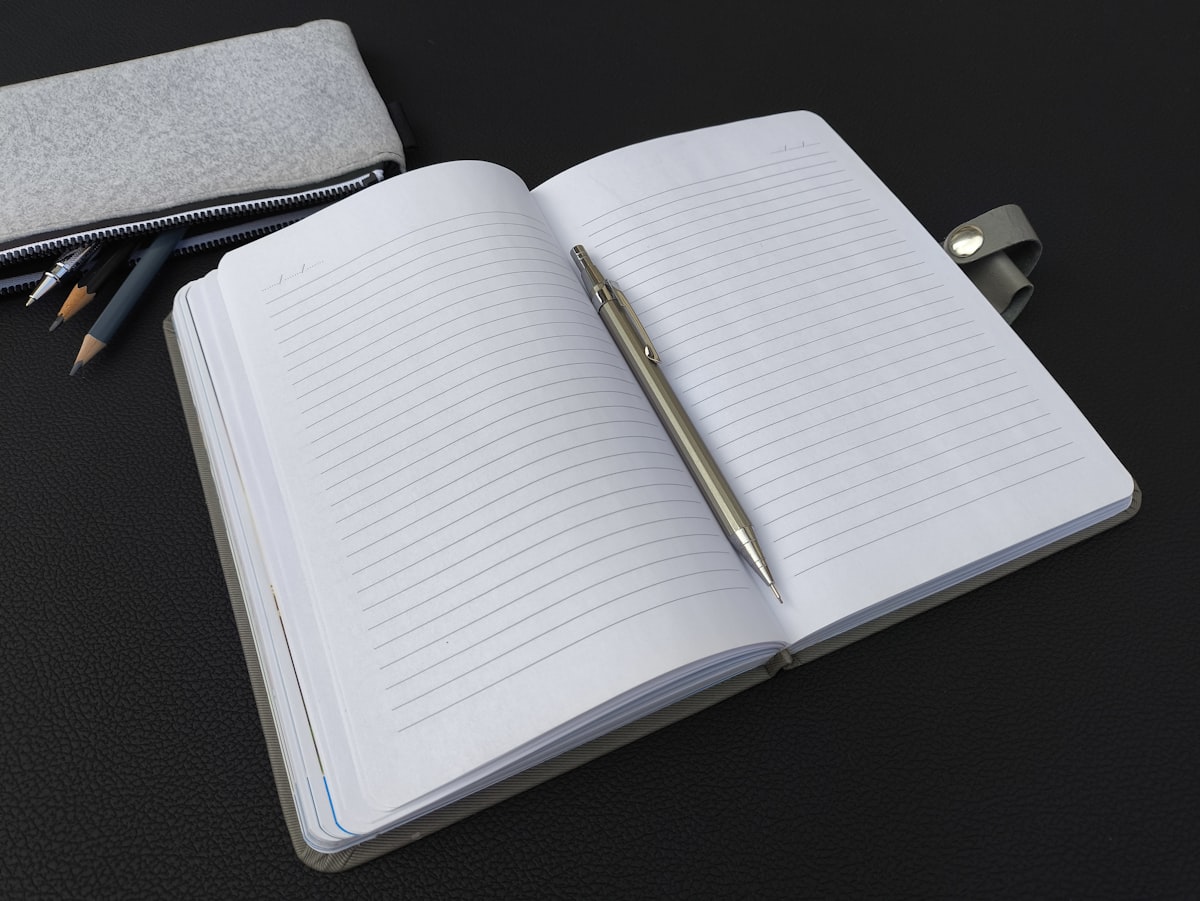
- Prepare the night before. Leave your journal open on the table where you will sit in the morning. Place your pen on top.
- Pair it with coffee or tea. The ritual of making a warm drink can become your journaling trigger. While the water boils, you write.
- Protect the time. Tell your household, if needed, that the first ten minutes of your morning are quiet time.
- Accept bad days. Some mornings you will write nothing meaningful. Some mornings you will write one angry sentence. Those days count.
What If You Are Not a Morning Person?
Then do not journal in the morning. Seriously. The best journaling time is the time you will actually do it. If evenings work better for you, journal in the evening. If lunch breaks work, do that.
The "morning" in morning journaling is not sacred. The consistency is.
A Week of Morning Prompts to Start With
If you want a structured start, try one of these for each day of your first week:
- Monday: What am I carrying into this week?
- Tuesday: What did I notice yesterday that I almost forgot?
- Wednesday: What would make today feel complete?
- Thursday: What am I avoiding? Can I write about why?
- Friday: What has gone well this week, even in small ways?
- Saturday: What do I need to rest from?
- Sunday: What do I want to bring into the week ahead?
After seven days, you will have a clearer sense of what morning journaling gives you. Most people find it gives them more than they expected.