Writing Poetry in Your Notebook (Even If You Are Not a Poet)
Poetry does not require perfection or formal training. Learn how to write verse in your personal diary and unlock unexpected creative expression through simple poetic forms.

The Myth That Poetry Requires Permission
Many people believe poetry is reserved for those with years of training or natural talent. This assumption keeps countless thoughts, feelings, and observations locked inside notebooks that will never contain a single verse.
The truth is simpler. Poetry is a way of arranging words to notice what matters most. It does not require perfect rhymes, obscure metaphors, or publication in prestigious journals. Poetry in your personal diary is purely for you—a private conversation between your thoughts and the page.
When you stop waiting to be a poet and simply write poetry in your notebook, something shifts. The pressure to perform disappears. What remains is honest expression.
Why Poetry Works in Daily Diary Writing
Diary writing often follows a linear path: this happened, then that happened, and here is how I felt. Poetry breaks this pattern. A poem condenses emotion into essential details, strips away filler, and forces clarity.
When you attempt verse in your daily diary, you ask different questions of your experience. Instead of narrating events, you select the single image that holds the most weight. Instead of explaining feelings, you find the one word that contains them all.
This compression rewires how you think about your day. You move from passive recording to active meaning-making.
Start With the Form That Requires No Rules
Free verse is poetry without meter, rhyme scheme, or formal structure. It is the gentlest entry point for diary writing that turns toward poetry.
Free verse respects natural speech patterns while maintaining line breaks and careful word choice. You write what you feel, arrange it on the page in a way that matches the breath and rhythm of your thoughts, and call it complete.
There is no checklist. No internal editor measuring you against established rules. You simply notice how certain line breaks change how a sentence is read, and how white space on the page creates emphasis.
Many people begin with free verse in their personal notebooks and never move to stricter forms. That is entirely valid. Free verse remains poetry.
Three Simple Forms to Try This Week
The Three-Line Poem
Write three lines about a single moment from your day. Each line should contain one clear image or thought. No rhyming required.
This form works well when you are tired or uninspired. It asks for just enough structure to feel intentional without demanding significant effort. Try this in your diary when you have five minutes and nothing else seems worth writing.
The Acrostic
Choose a word that matters to you today. Write it vertically down the page. Then write one line for each letter, creating a poem that spells your word when read from top to bottom.
Acrostics feel like word play. They are forgiving of imperfect phrasing because the constraint of the first letter guides your thinking. Many people find acrostics less intimidating than blank verse because the form does the heavy lifting.
The List Poem
Write "I remember..." or "I notice..." or "I want..." at the top of your page. Then list twelve to twenty related things beneath it. Let the items be varied in length and weight.
The list poem is barely poetry at all. It is closer to catalog or inventory. Yet the repetition of the opening phrase and the accumulation of specific details create genuine poetic effect. This form works especially well in digital diary apps or on paper—the format matters less than the gathering of observations.
The Difference Between Poetry in Notebooks and Digital Diary Apps
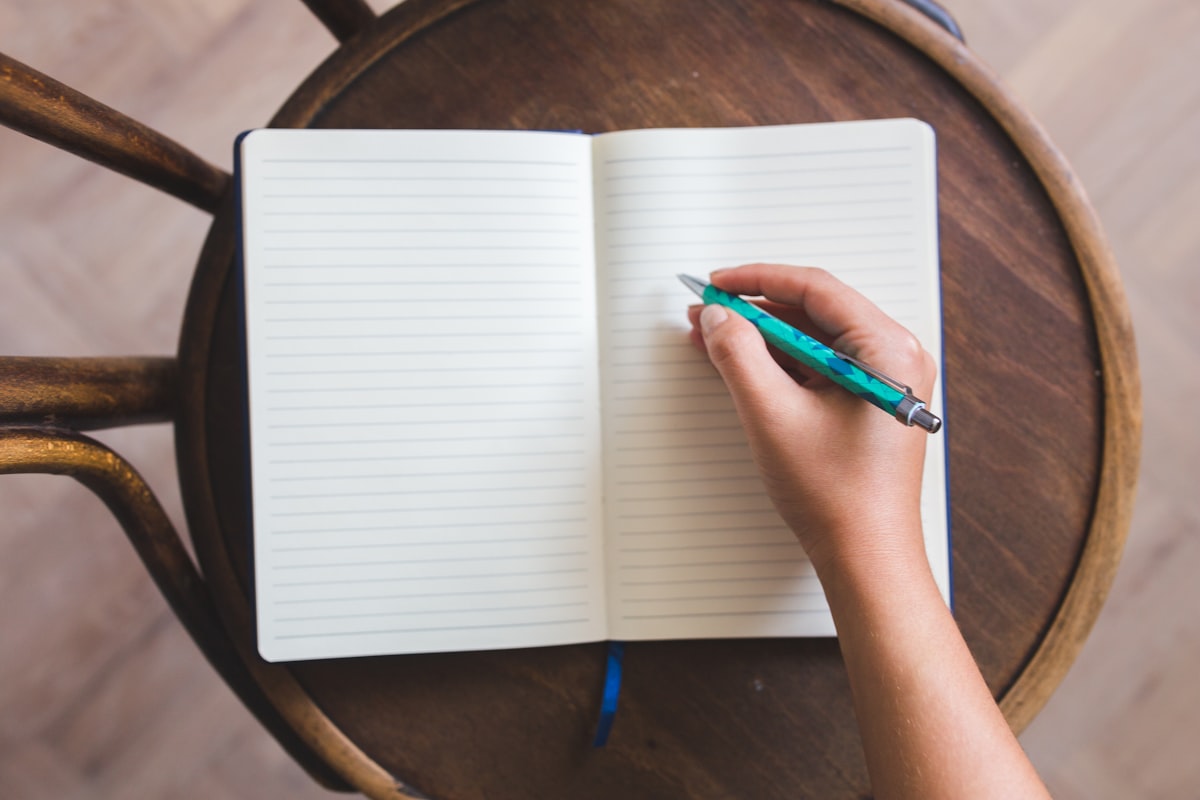
Paper notebooks offer tactile pleasure. Handwriting engages your body differently than typing, slowing your thinking and deepening the feeling of creation. Many people find that writing poetry by hand makes the words feel more personal.
Digital diary apps and note-taking tools offer different advantages. They are portable, searchable, and easy to edit. You can write poetry on your phone during lunch, record voice notes before composing, or organize verses by date and theme. Digital writing tools are increasingly sophisticated, with some apps designed specifically to support reflective and creative writing.
Neither approach is superior. Some writers move between paper and digital depending on circumstance. You might handwrite poetry in your personal notebook at home, then use a diary app on your phone when traveling. Both practices are valid, and both can deepen your relationship with words.
The medium matters less than the consistent act of writing verse, whatever format you choose.
When You Are Stuck, Write the Worst Poem Possible
Every writer encounters moments when nothing comes. The blank page feels hostile. Words feel clumsy.
In these moments, give yourself permission to write poorly. Deliberately write the worst poem imaginable. Make it purple and overwrought. Use clichés without irony. Be melodramatic. Be boring.
Something strange happens when you remove the pressure to be good. Terrible drafts often contain surprising fragments. A clichéd line might lead to genuine emotion once you write past it. The act of moving your pen or fingers across the keyboard loosens whatever blockage existed.
Many experienced writers keep a notebook or digital document specifically for terrible drafts. They understand that bad writing is part of the process, not a sign of failure.
Poetry Teaches You to Notice
When you write poetry regularly in your diary, you begin observing the world differently throughout your day. You notice how light falls across a table. You catch the exact phrase someone used that made you laugh. You recognize the precise shade of your mood—not just sad, but the particular melancholy of a cloudy afternoon.
This heightened attention is the real gift of writing verse. Poetry trains your eye and ear. It makes you a more precise observer of your own life.
Over time, this habit of noticing changes how you move through the world. You become more present. Small moments reveal themselves as rich with meaning. Your daily diary becomes less a chronicle of events and more a record of how it feels to be alive.
Building a Verse-Writing Practice
Start small. One poem per week is enough to establish the habit. Write it in your personal notebook or open a digital diary app—whichever you reach for naturally.
Do not wait until you feel inspired. Inspiration often arrives after you begin writing, not before. Set a specific time and place for your verse-writing practice, just as you might for any other writing habit.
Keep your early poems. Do not throw them away or delete them from your digital tool. Return to them after a few months and notice how your instincts have developed. You will see progress that was invisible while you were making it.
The Permission You Have Been Waiting For
You do not need to call yourself a poet to write poetry in your notebook. You do not need formal training, natural talent, or an audience. You do not need a particular notebook or app or pen.
You need only the willingness to use words carefully, to notice what matters, and to record it in whatever form feels true.
That is enough. Begin this week, or begin today. Your diary is waiting to become a place where poetry lives.