15 Creative Diary Ideas Beyond Plain Writing
Transform your daily diary with creative approaches that go beyond traditional writing. Explore visual, mixed media, and experimental diary ideas.
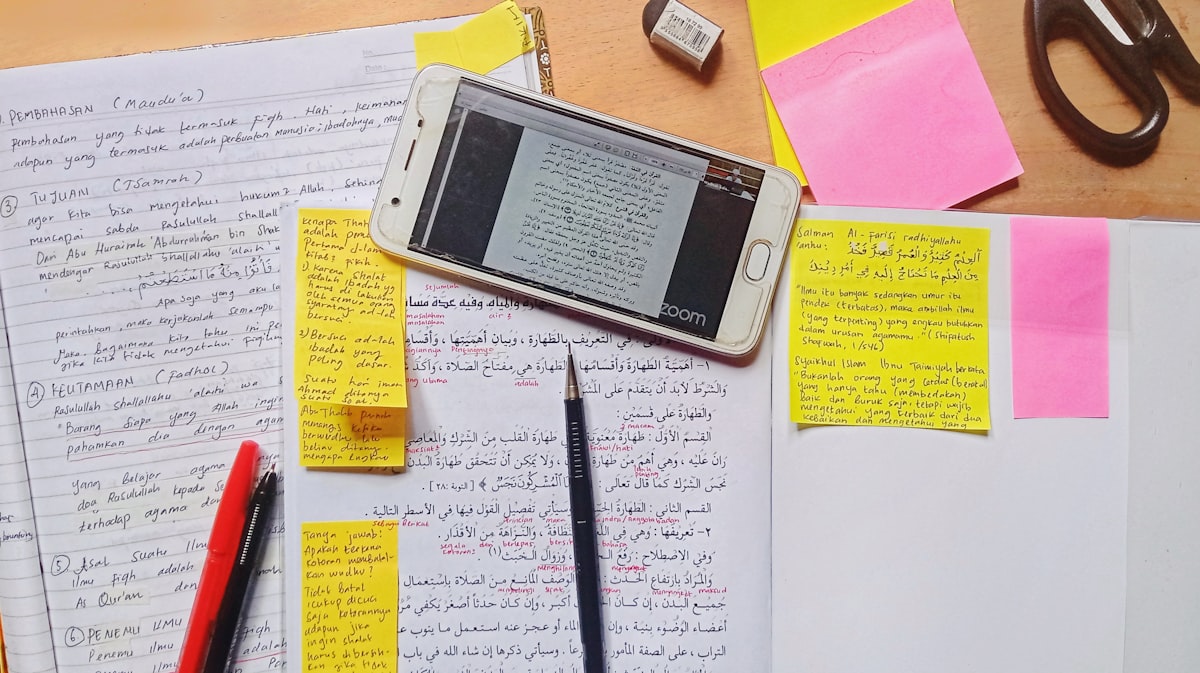
Your personal diary does not have to be filled with sentences and paragraphs. There are countless ways to express yourself through daily writing that incorporate visual elements, sensory details, and experimental formats. Whether you prefer a paper notebook or use digital diary apps on your phone or tablet, creative approaches can deepen your reflection and make your daily writing practice more engaging.
1. Illustrated Mood Diary
Create a visual record of your emotions by pairing simple illustrations with brief written notes. Draw abstract shapes, color gradients, or small icons that represent how you felt throughout the day. Add just a sentence or two explaining the connection between your mood and the image.
This approach works well for people who struggle to articulate their feelings in words alone. The visual element often captures nuances that written language misses. You can develop a personal symbol system over time, making your diary increasingly personal and meaningful.
2. Collage and Text Mixing
Cut images from magazines, newspapers, or printed materials and arrange them on your diary page alongside your written reflections. This mixed media approach combines visual discovery with thoughtful writing.
You might paste an image that speaks to you and then write about why it resonates. This practice encourages unexpected connections and can reveal aspects of your thoughts you would not have discovered through writing alone. The physical act of cutting and arranging also provides a tactile experience that enhances your daily writing routine.
3. Audio Diary Transcription
Record voice notes on your phone or digital device, then transcribe key passages into your diary. This bridges spoken and written reflection. Speaking often feels more natural than writing, allowing thoughts to flow differently.
You can listen to your recordings later and capture the most meaningful moments in your diary. This method is particularly useful for people who commute or exercise and want to preserve their reflections. Digital diary apps with audio recording features make this increasingly accessible.
4. Color-Coded Diary System
Assign colors to different life areas: relationships, work, health, creativity, and personal growth. Use colored pens, markers, or highlighting to organize your daily diary entries by theme. This visual system helps you see patterns in what occupies your thoughts.
Over time, you may notice which areas receive the most attention or which need more focus. This color-coding creates a visual language within your diary that is both functional and aesthetically pleasing. You can review your color patterns to gain insights about your life balance.
5. Question-Based Reflection Diary
Instead of free-form writing, structure each diary entry around three to five specific questions. Examples include: "What surprised me today?" "Where did I feel most alive?" "What am I avoiding?" "What small victory did I achieve?"
Different questions prompt different depths of reflection. Rotating your questions prevents your diary from feeling repetitive and ensures you examine various aspects of your experience. This structured approach works especially well when you feel stuck or uncertain what to write.
6. Stream of Consciousness with Visual Breaks
Write freely without editing, but interrupt your text with doodles, sketches, or abstract marks. Your illustrations do not need to be related to your words. They simply provide visual breathing room and engage different parts of your brain.
This hybrid approach maintains the spontaneity of free writing while incorporating visual elements. The drawings often emerge intuitively and can reveal emotional undertones beneath your words. Your diary becomes a unique blend of literary and visual expression.
7. Timeline and Life Map Diary
Create visual timelines of your experiences, dreams, and goals within your diary pages. Draw arrows, branching paths, or circular diagrams to show how different aspects of your life connect. Add notes and reflections around these visual structures.
This approach helps you see your life from a broader perspective and understand how different threads weave together. You might create monthly timelines, yearly overviews, or maps of future possibilities. The visual layout makes patterns and connections more apparent than traditional paragraph writing alone.
8. Sensory Detail Diary
Focus your daily diary entries on describing what you experienced through your senses. Write about textures, sounds, smells, tastes, and visual details without necessarily analyzing their meaning.
This practice trains your attention and creates vivid records of ordinary moments. When you reread these entries, the sensory details transport you back to that time more effectively than emotional analysis alone. This approach transforms routine days into rich, textured memories.
9. Letter Diary to Your Future Self
Write diary entries in letter format addressed to yourself at different future dates. Seal envelopes or mark pages with the date to open them later. Include questions you want to reflect on, advice you want to remember, and observations about your current self.
This creates a meaningful dialogue across time. When you open these letters, you gain perspective on how you have changed and which concerns proved temporary. This form of diary writing combines anticipation with later reflection.
10. Gratitude Collage Diary
Combine gratitude writing with visual elements by creating a collage page for each week. Add images, words, and colors that represent what you appreciated. Write specific details about why these things mattered.
This practice trains your attention toward the positive while maintaining reflective depth. The visual arrangement makes your gratitude tangible rather than abstract. Reviewing these pages reminds you of abundant moments during difficult times.
11. Dialogue Diary with Different Selves
Write conversations between different aspects of yourself: your ambitious self, your anxious self, your creative self, your skeptical self. Let each voice express its perspective on a situation you are navigating.
This diary technique reveals internal conversations that usually happen unconsciously. By making them explicit, you gain clarity about internal conflicts and hidden motivations. The dialogue format makes this approach feel more like discovery than analysis.
12. Seasonal and Seasonal Cycle Diary
Organize your diary entries around the seasons, noting how your mood, energy, and experiences shift throughout the year. Create seasonal spreads with corresponding colors, imagery, and reflection prompts.
This long-term perspective helps you understand recurring patterns in your life. You might discover that certain months are consistently challenging or that particular seasons boost your creativity. Recognizing these cycles helps you plan and prepare accordingly.
13. Metaphor and Symbol Diary
Describe your week, month, or experiences using extended metaphors. If your life were a weather system, a journey, a recipe, or a garden, what would it look like. Develop these metaphors across multiple diary pages with written description and visual illustration.
Metaphorical thinking bypasses literal analysis and accesses deeper wisdom. Your metaphors often reveal truths that straightforward reflection misses. Over time, you develop a rich personal mythology within your diary.
14. Minimal Word Diary with Maximum Space
Use your diary pages for mostly white space, adding only a handful of carefully chosen words alongside significant visual elements. This approach emphasizes what is left unsaid and gives weight to what remains.
This diary style is particularly suitable for quieter moments or when emotions feel too big or too small for explanation. The minimalist aesthetic creates a sense of peace. This format also works beautifully across digital diary apps and paper notebooks equally.
15. Cross-Media Diary Project
Combine your daily diary writing with photos you have taken, pressed flowers, ticket stubs, written conversations, voice transcriptions, and sketches. Create a rich, multisensory record of your life.
This approach treats your diary as a comprehensive life document rather than merely a place for words. Each medium captures different dimensions of your experience. The variety keeps your daily writing practice fresh and engaging over months and years.
Why Creative Diary Methods Matter
Moving beyond plain writing does not mean your diary becomes less reflective or meaningful. In fact, engaging multiple senses and modes of expression often deepens your self-understanding. Different creative approaches activate different parts of your mind, revealing insights that conventional writing alone might miss.
Some people find that visual elements help them process emotions more effectively than words. Others discover that metaphorical or dialogue-based writing creates breakthrough moments in their self-understanding. Your creative diary practice should reflect what actually helps you, not what you think a diary should be.
Both paper notebooks and digital tools are equally valid for creative diary work. Phone and tablet apps offer flexibility and accessibility, while paper provides tactile engagement and freedom from digital distractions. Many people use both formats depending on circumstances and mood.
The most important element is consistency and authenticity. A creative diary practice that you maintain regularly, even briefly, serves you far better than a elaborate approach you abandon. Experiment with these ideas and notice which ones feel natural and sustaining for you.
Your personal diary belongs entirely to you. There is no right format, no required depth, no perfect frequency. These creative approaches exist only as invitations to explore what your diary can become when you release conventional expectations and follow your curiosity.