One Line a Day: The Smallest Writing Practice That Works
A single sentence can hold everything. Discover how the simplest diary practice becomes a thread through your year.

There's a particular kind of relief that comes with permission to write less.
When I first started keeping a diary, I believed I needed pages. Paragraphs. Coherent thoughts arranged into neat little essays about my day. The pressure was quiet but real, and it kept me from writing at all.
Then someone asked me: what if you wrote just one sentence.
One.
The Power of Constraint
The beauty of a single-sentence diary practice lives in its smallness.
There's nothing to perfect. No beginning, middle, or end to orchestrate. Just one line to capture what matters—what moved you, what you noticed, what you felt in your chest when you woke this morning.
When we remove the weight of expectation, something shifts. The pen feels lighter.
A one-line diary practice works because it strips away the performance. You're not writing for an audience. You're not trying to be eloquent or thorough. You're simply noting: this happened, or I felt this, or this moment was worth remembering.
Why One Line Is Enough
Consider what a single sentence can hold.
"The kitchen smelled like rain and old coffee."
"I laughed so hard my sides ached, and I didn't think about tomorrow."
"Today I was gentle with myself."
"My mother called and I actually answered."
Each sentence is a small stone. Over a year, you build a path. Not a map of everything that happened—something better. A trail of the moments that resonated. The details that stuck to you.
When I recommend one-line diary writing to someone resistant to the whole idea of daily note taking, I watch their shoulders drop. The practice no longer feels like homework.
It feels possible.
How to Begin
You need almost nothing.
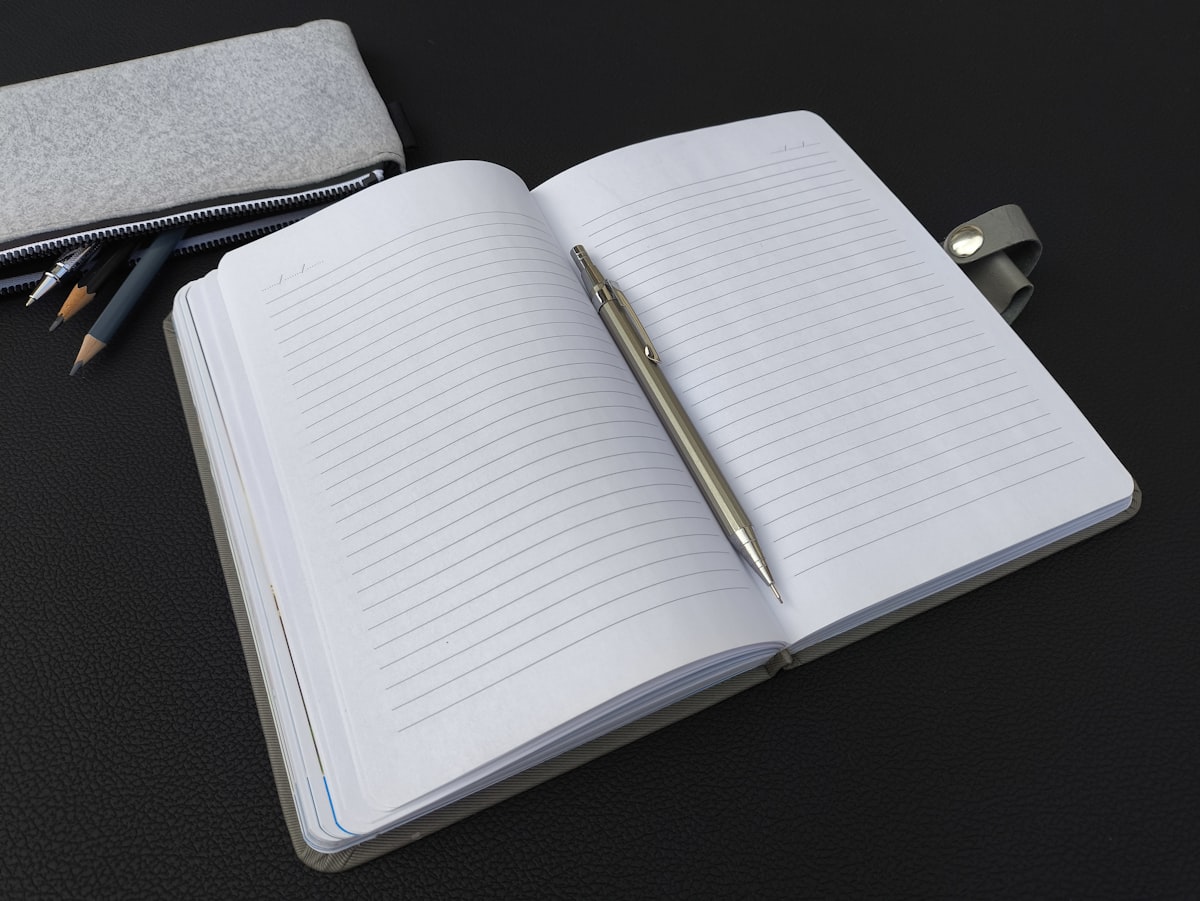
A notebook. Any notebook. The one you've been saving, the one from last year you never quite filled, the one that cost two dollars. Or your phone. A Notes app. A simple digital diary app on your tablet. Whatever feels closest to your hand when you have ten seconds to spare.
Pick a time. Morning coffee. Before bed. The three-minute break at work.
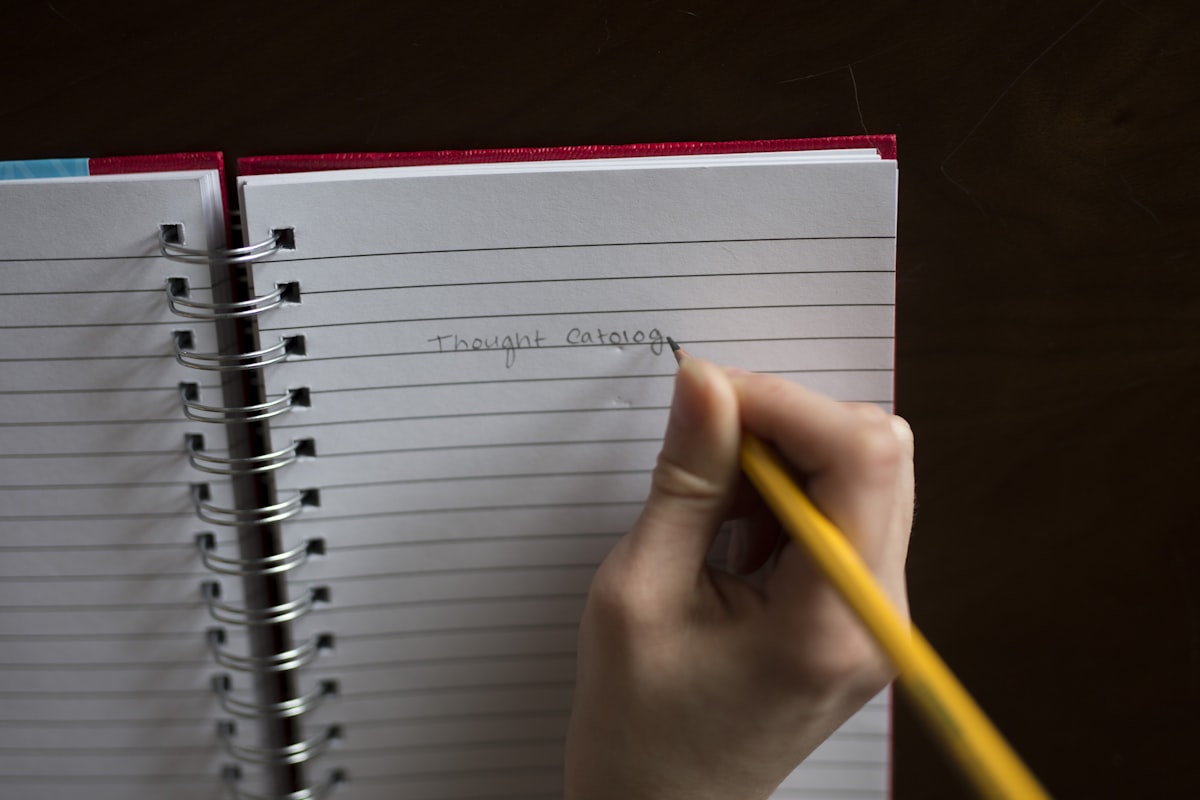
Write one sentence about your day.
That's it.
Some days it will be factual. "I finished the report early." Some days it will be emotional. "I carried grief like a stone in my pocket." Some days it will be sensory. "The sunset turned the whole street orange."
None of this is wrong.
The sentence doesn't need to be grammatically perfect. It doesn't need to explain itself. If it makes sense to you, it's enough.
What Happens Over Time
There's something almost secret about watching a diary practice accumulate.
You're not looking for transformation. You're not trying to solve yourself. You're simply noting. Paying attention. Holding space for the small moments that make up a life.
After a month, you'll notice patterns. Maybe you mention food a lot. Maybe certain people appear again and again. Maybe you're drawn to describing light, or cold, or the feeling of being tired.
These aren't insights. They're just traces. Evidence that you were paying attention.
After a year of one-line diary entries, something shifts. You have 365 sentences. A year of your interior life. Not exhaustive, not perfect, but real.
When I look back at my own one-line entries from years past, I don't remember most of the days. But the sentences themselves—those I remember. They bring the feeling back. The weather of that time.
The Gentleness of Consistency
A one-line diary practice doesn't ask for perfection.
There will be days you forget. Days you write the line at midnight, or three days late. Days when the line is only four words. This is not failure. This is still the practice.
The point isn't purity. It's the quiet act of turning toward your life, even briefly, and noting what you find there.
When you remove the pressure to write more, you often find yourself writing anyway. You notice the sentence becomes two sentences. You sit with your notebook longer than you planned. You remember a detail and add it.
But you never have to.
One line is always enough.
Paper and Pixels
Some people keep their one-line diary in a leather-bound notebook they touch every morning. Some use a digital app, typing quickly on their phone before bed. Some switch between both.
Each has its own texture.
The paper version gives you the sensory experience: the scratch of pen, the weight of the notebook, pages you can flip back through physically. Your handwriting holds emotion that typing sometimes doesn't.
The digital version offers ease. You can access it anywhere. You can search for a word and find every time you felt it. You don't risk losing it to time or accident.
Neither is superior. Pick what calls to you. If digital feels more honest, use digital. If you need the paper, choose the paper.
The practice itself—the actual one line—matters far more than the medium.
When One Line Becomes a Life
A daily diary practice this simple accumulates without you noticing.
You don't set out thinking, "I'm going to document my life." You're just writing one sentence. But after weeks and months, you realize you have created something. A record. A witness to yourself.
This is especially true when life feels chaotic or small. When you're in the middle of hard things, a one-line diary doesn't ask you to process or analyze. It just asks: what happened today. What did you notice. What do you want to remember.
The sentence you write today might mean nothing to you on the day you write it. But six months from now, it might bring back a whole feeling. A smell. The exact quality of light.
That's all it needs to do.
The Quiet Habit
One-line diary writing lives in the margins of your life, and that's its greatest strength.
You can do it on a Tuesday morning while waiting for your coffee. You can do it in the car before you go inside. You can do it at the end of the day when you're too tired for anything else.
The practice asks so little that it becomes almost impossible to abandon.
There's no grand beginning. No purchase of special materials or setting aside an hour. You pick up your notebook—or your phone—and you write one sentence. Then you close it.
Tomorrow, you'll do it again.
Not because you're trying to change yourself. Not because you believe it will solve anything. But because it feels small enough to hold, and honest enough to matter.
And that is enough.