
Decorating Your Personal Diary: Simple Doodles and Hand Lettering Ideas
You do not need artistic skill to make your personal diary beautiful. Simple doodles and hand lettering can make your daily writing feel more intentional and uniquely yours.
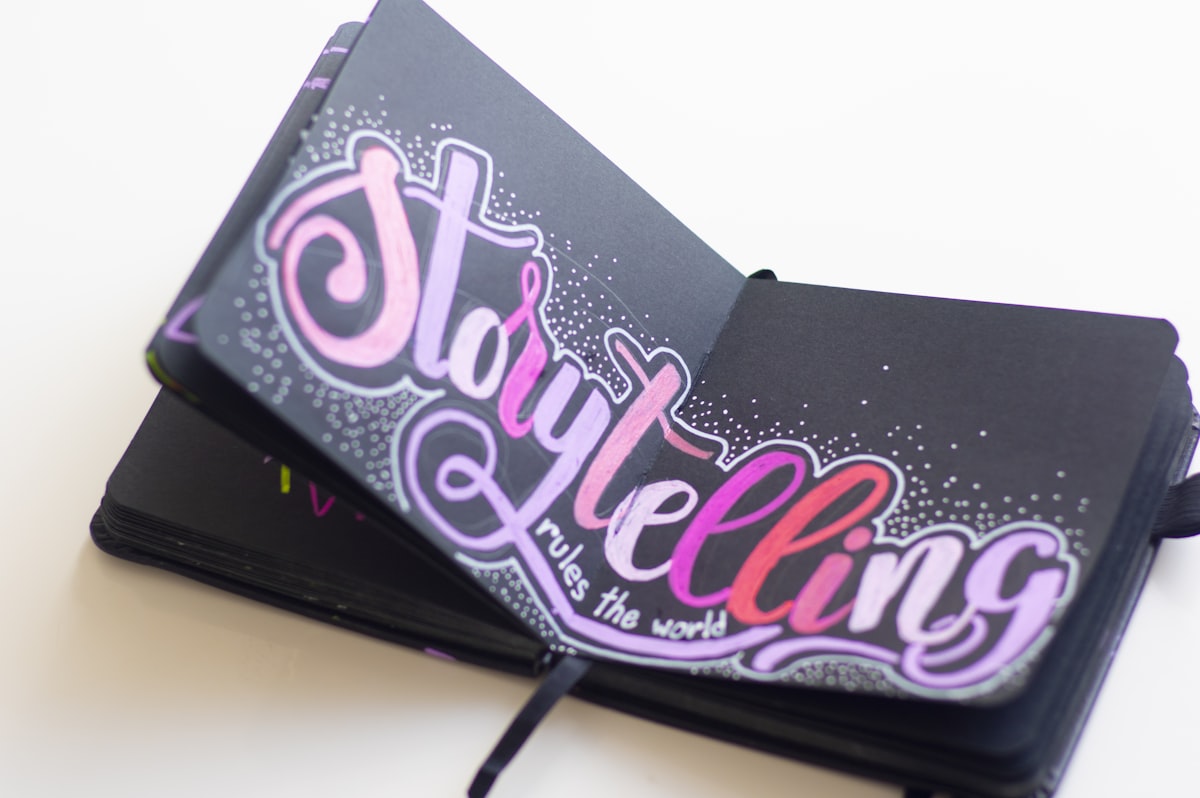
Your personal diary does not have to look like anyone else's. The pages are entirely yours, and adding small visual elements — a border, a decorated header, a margin doodle — can change how you relate to the act of writing.
This is not about producing beautiful art. It is about making the page feel more alive, more like your own space. Decoration is one way to do that.
Why Adding Visual Elements Changes the Writing Experience
When you sit down to decorate a page before writing, you slow down. The act of drawing a simple border or lettering a date at the top of a page creates a small ritual. It marks this moment as different from scrolling, scanning, or typing.
Many people find that decorated diary pages feel more worth returning to. When you open a notebook and the page looks intentional, you are more likely to engage with what you wrote. Blank pages are practical. Decorated pages are personal.
You do not need to be an artist to experience this shift. A few imperfect lines, a simple header drawn in block letters, a leaf sketched in the margin — these are enough.
Starting With Doodles: No Skill Required
Doodles are marks made without pressure. They are not meant to be accurate or finished. When you doodle in your personal diary, the goal is not representation — it is presence.
Borders and frames
The simplest starting point is a border around your page or entry. Draw a single straight line along the top and left margin. Add small dots at the corners. You have created a frame.
From there, borders can grow as complex or simple as you want. Repeating geometric shapes — small triangles, dash marks, tiny circles — create visual rhythm without requiring skill. You can complete a border in under two minutes while your tea cools.
Margin notes and small illustrations
Write your diary entry first. Then return to the margins and add small drawings that respond to what you wrote. If you described a conversation at a coffee shop, sketch a cup. If you wrote about feeling scattered, draw a few spiraling lines. These margin drawings do not need to be good. They need to be yours.
Over time, your visual vocabulary develops on its own. You will notice certain shapes, symbols, or creatures appearing repeatedly. These become your diary's personal language.
Plants, leaves, and simple organic shapes
Plants are forgiving subjects. A leaf is two curved lines meeting at a point. A branch is a slightly wobbly diagonal line with smaller lines branching off. A flower can be five circles arranged around a central dot.
These organic shapes work well in diaries because they do not demand precision. Slight imperfections read as natural rather than wrong. You can add a single fern sprig beside a paragraph or scatter small flowers across the top of a page. The effect is warmth without effort.
Abstract marks
Abstract marks — crosshatching, stippling, wavy lines, loose scribbles — add texture to pages without requiring any representational skill. Shade the corner of a page with gentle crosshatching. Fill a word's background with stipple dots. Add a loose zigzag line under a date to mark it.
These marks also serve a practical purpose: they make your diary easier to navigate when you flip through it. Your eye lands on visual landmarks and remembers where important entries live.
Hand Lettering: Slow, Simple, and Personal
Hand lettering is not calligraphy. You do not need special pens, ink, or years of practice. Hand lettering in a personal diary means simply writing your headers, dates, or important phrases with more deliberate attention than your regular handwriting.
Block letters
Block letters are exactly what they sound like: letters written with a heavier, wider stroke. To create them, write a word normally. Then go back and add thickness to the left side of each vertical stroke.
Alternatively, write each letter with double lines and fill in the space between. This technique creates bold lettering that takes only a few minutes to learn. Your first attempts will be uneven. That unevenness disappears as you practice.
Banners and labels
A banner is a strip or ribbon shape with a word written inside. Sketch two parallel horizontal lines. Write your word inside. Then add small triangular flags at each end by drawing an inverted triangle and a small tail.
Banners work well for marking weekly headers, important dates, or words you want to remember. They add visual hierarchy to a page without requiring any drawing skill beyond straight lines.
Mixing print and cursive
An easy way to create visual interest without studying lettering techniques is to write key words in a different hand from your usual style. If you print normally, write your header in loose cursive. If you write in cursive, print your section titles.
This contrast creates hierarchy and draws the eye toward what matters most on the page.
Decorated date stamps
Your diary date does not have to be a plain number. Write the day in a circle. Draw a small box around the month. Add a tiny flourish above or below. Even minimal decoration transforms the date from a functional marker into an intentional part of your page design.
Supplies Worth Having (And What You Already Own)
You need very little to begin decorating your diary.
A basic ballpoint or gel pen works perfectly for doodles and lettering. The difference between a fine-tip pen and a medium-tip pen already gives you two line weights — enough to create visual contrast.
If you want to expand gradually, consider adding:
- A brush pen or felt-tip pen for thicker strokes in lettering
- A fine-liner pen (0.05mm or 0.1mm) for detail work and small illustrations
- A pencil for lightly sketching before committing to ink
You do not need washi tape, stickers, stamps, or specialty supplies to create a personal and decorated diary. Those materials are enjoyable, but they are not necessary. Some of the most beautiful diary pages are created with a single pen.
Keeping It Sustainable
The most important thing about decorating your diary is not overdoing it.
If you spend thirty minutes drawing before you can write, decoration has become a barrier rather than an invitation. The goal is to add small visual elements that enhance your writing practice, not replace it.
Aim for five minutes or less on decoration before an entry. A quick header, a simple border, a margin doodle after you finish writing. Keep the visual elements loose and imperfect.
Your diary does not need to look like the pages you have seen online. Social media diaries are curated performances. Your diary is a private document. The decoration you add is for your own relationship with the page — not for display.
When Decoration Becomes Avoidance
It is worth being honest about one risk: decoration can become a way of not writing.
If you notice that you are spending more time drawing than writing, or that you feel the page needs to look good before you can begin, that is worth examining. The same attention and creativity you bring to visual elements can go toward the words.
A decorated but empty page serves you less than a plain but honest one. Both the words and the visual elements matter, but they are not equal. The writing is primary. The decoration is the welcome at the door.
What Your Decorated Diary Becomes Over Time
When you look back at a diary that contains your handwriting, doodles, and lettered headers, you are looking at an artifact of your hand and your attention. The visual elements make the record more personal than words alone.
You can see how your handwriting shifted under stress. You can notice when the doodles became denser or more scattered. You can observe when you stopped decorating entirely and what that period of your life looked like. The visual history of a diary tells its own story alongside the written one.
This is not something you plan for. It happens gradually, without effort. All you need to do is begin with something small — a border, a decorated date, a single leaf in the margin — and let the practice accumulate over time.
Your personal diary is already yours. The decoration simply makes that ownership visible.


