
Digital vs. Paper Diary: Choosing Your Perfect Writing Practice
There is no universally correct way to keep a diary. Understanding the practical differences between digital and paper writing helps you build a practice that actually lasts.
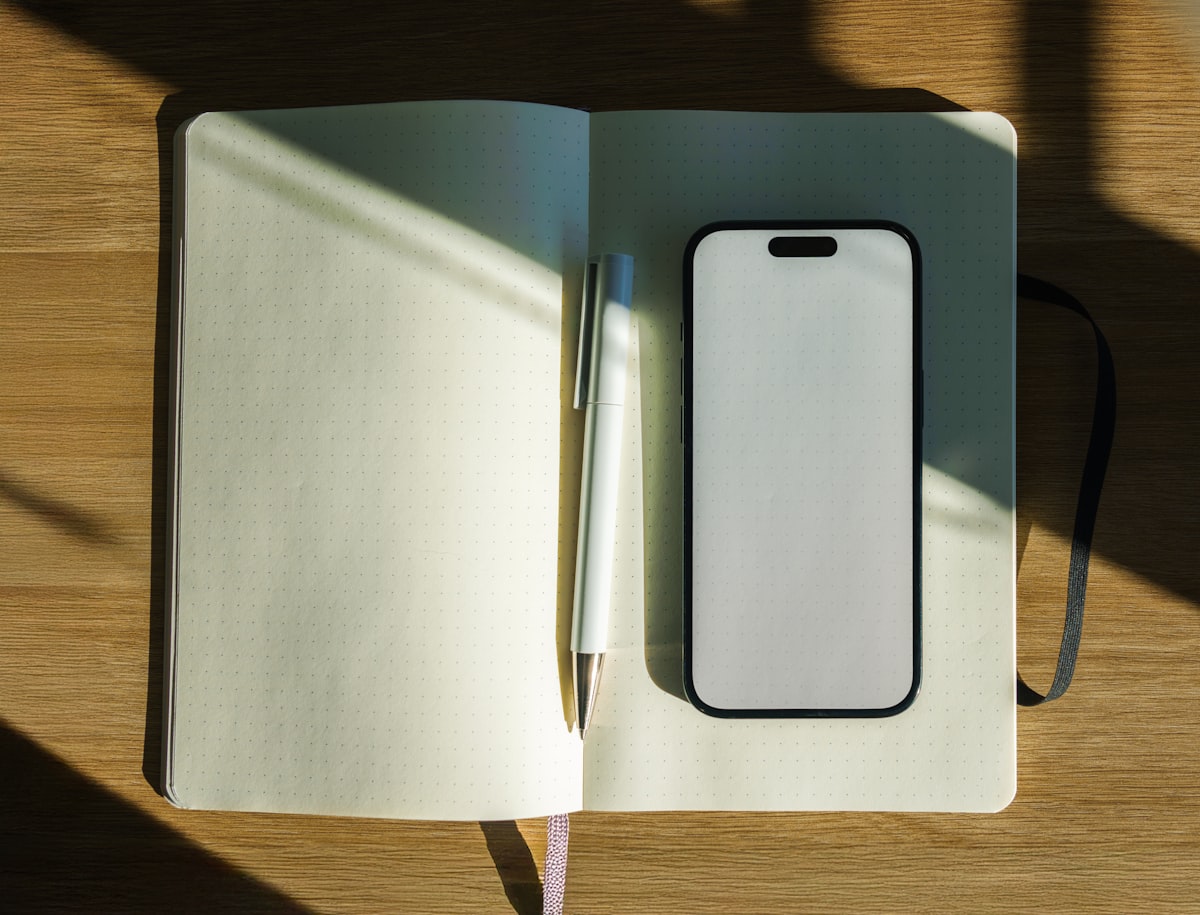
The choice between a paper diary and a digital one is not about which format is objectively better. It is about which one you will actually return to.
Both approaches have genuine strengths. Both have real limitations. Understanding the difference clearly helps you make a decision that fits your life rather than an ideal version of it.
What Makes Paper Diaries Work
Writing by hand slows you down. That is not a limitation — it is a feature.
When you handwrite your diary entries, your thoughts have to move at the pace of your pen. This slower pace creates space for reflection that typing often bypasses. Many writers find that their best thinking happens when they cannot keep up with their own ideas.
Paper also offers complete privacy in a way that digital tools rarely match. A paper diary cannot be synced accidentally, exposed by a software update, or accessed by someone who knows your password. The notebook sitting in your bedside drawer is private in a way that feels absolute.
There is something else: the tactile experience of handwriting is genuinely different from typing. The weight of the pen, the texture of the page, the sight of your own handwriting — these create a distinct sense of presence. Many people find that this physical engagement deepens their relationship with what they are writing.
Paper works especially well for:
- People who want a clear separation between diary time and screen time
- Those who process emotions more effectively through the physical act of writing
- Writers who find that slowing down reveals more depth in their thinking
- Anyone who keeps a diary primarily at home, at a fixed location
What Makes Digital Diaries Work
A digital diary is always with you. For many people, this accessibility is the deciding factor.
You can write on your phone during a commute, on a tablet in a waiting room, or on a laptop at a coffee shop. The friction of getting to your diary is lower. When the impulse to write arrives, you can act on it immediately rather than waiting until you are home with your notebook.
Digital diaries also offer practical features that paper cannot: searchability, automatic date-stamping, the ability to add photos or voice notes, and cloud backup that protects your writing from physical loss. If you have kept a diary for years and want to search for a specific memory or phrase, digital tools make that possible in seconds.
For people with accessibility needs, digital formats offer significant advantages. Voice-to-text input, adjustable font sizes, and the ability to type rather than handwrite make digital diaries far more accessible than paper for some writers.
Digital works especially well for:
- People who travel frequently or write in multiple locations
- Those who have experienced the loss of a physical diary and want backup protection
- Writers who want to search, tag, or organize entries systematically
- Anyone whose physical handwriting is difficult or painful
The Honest Limitations of Each
Paper diaries can be lost, damaged, or destroyed. Water, fire, and time affect notebooks in ways they do not affect cloud backups. If you travel frequently or are worried about physical loss, a paper diary carries real risk.
Paper also does not search. Reading back through months or years of entries requires time and patience. There is no "find" function. You navigate by memory and chronology alone.
Digital diaries carry different risks. Privacy is more complex: apps can be hacked, companies can change their terms of service, and devices can be accessed by others in ways that a locked notebook cannot. No digital tool is completely immune to these concerns.
There is also the question of screen fatigue. If you spend significant hours each day looking at screens for work, opening a digital diary app at the end of the day may feel like more of the same. For some people, the screen itself becomes an obstacle to honest reflection.
How to Decide
Start by asking a simpler question than "which is better."
Ask: When have I written most consistently in the past?
If you kept a diary as a teenager and you used a physical notebook, paper likely suits your natural tendencies. If you have maintained daily notes in a digital app and found it sustainable, digital is probably your format.
If you have never kept a diary before, consider where you are most likely to write. If you commute and have time on the train, a phone app may get more use. If you have a morning routine at home and want to separate from screens, a paper notebook makes more sense.
The Hybrid Approach
Many people do not choose exclusively. They use both formats for different purposes.
A common pattern: morning writing in a paper notebook, where the physical ritual marks the start of the day, and quick mobile notes captured throughout the day in a simple app. The paper diary holds depth and reflection. The digital notes capture moments and observations that would otherwise be lost.
There is nothing inconsistent about this. Your diary practice does not need to be uniform. It needs to be useful.
Some people also shift formats over time. Years of paper diaries may give way to a digital approach when life circumstances change. A digital habit may lead someone back to paper when they recognize they miss the handwriting experience. Format preference is not fixed.
A Note on Not Overthinking the Choice
The most important decision you can make about diary writing is to begin — with whatever tool is available to you right now.
A text document, a composition notebook, a free phone app, a premium journaling tool: none of these will write your entries for you. The format matters far less than the habit. Once you establish the habit, you can always change the format later.
People who have kept diaries for decades tend to say the same thing when asked about paper versus digital: they used what they had, they kept going, and the format mattered less than they expected. The writing became the practice. The notebook or the app was just the place it lived.
Making Your Choice Stick
Whatever format you choose, two things will determine whether the habit lasts.
The first is friction. Your diary needs to be easy to reach. A paper notebook that lives under a pile of books gets opened less than one that sits on your desk. A digital app buried inside a folder on your phone gets used less than one pinned to your home screen. Reduce the steps between you and writing.
The second is consistency without perfectionism. Write when you can, even briefly. Do not wait for the right mood, the right time of day, or the right number of words. A single sentence written today is worth more than the long entry you plan to write tomorrow.
Your diary is not a project with a deadline. It is an ongoing relationship with your own thinking. The format is just the medium.
Choose what you will actually use. Then use it.


