
25 Spring Journal Prompts for Renewal, Growth, and Fresh Starts
Twenty-five spring prompts for noticing what is changing — outside, and quietly inside you — and writing your way into a slower, more honest season.
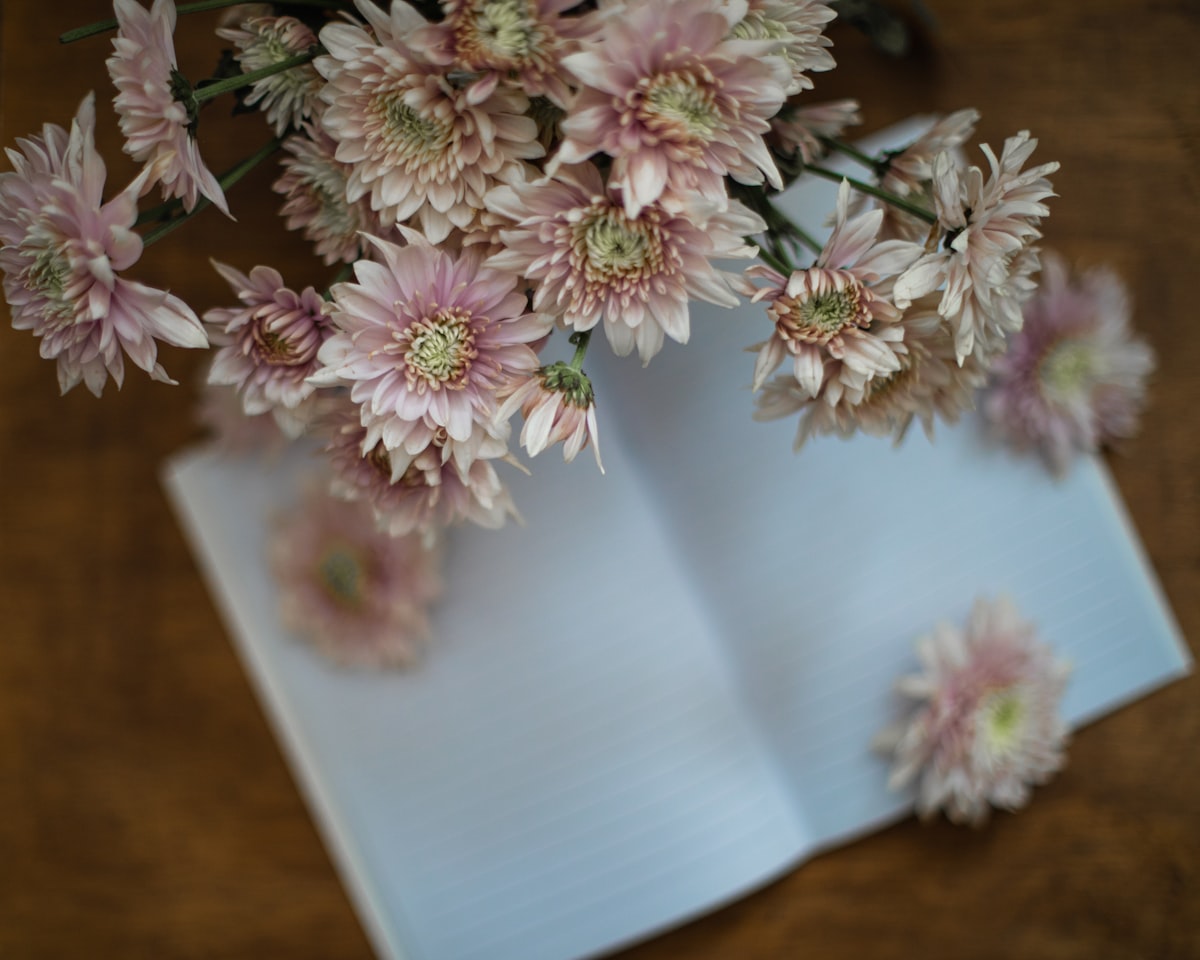
Spring tends to arrive before you are ready for it. One morning the light is different, or you notice that the trees you walk past have started doing something subtle, and it occurs to you that the season has shifted while you were not paying attention.
These prompts are an invitation to slow down and notice what spring is actually like for you this year, rather than the version of spring you are expected to be having. Some years it brings genuine lift. Some years it arrives alongside grief, or exhaustion, or a kind of disorientation as the weather changes faster than your inner state can keep up with.
Both versions are worth writing about. There is no correct way to feel about a season.
Work through these slowly. You do not need to answer all twenty-five — pick the prompts that pull at you in some small way and stay with those. The questions are arranged loosely from outward observation toward more interior reflection, but the order is not a sequence. Begin wherever the page is open.
Noticing What Has Already Shifted
Before deciding what spring should mean to you this year, it helps to look at what is already happening — outside and inside.
-
What did you notice today, on your most ordinary walk or commute, that would not have been there a month ago? Write the small details first — the smell of the air, the sounds, what the light is doing — before any larger thoughts arrive.
-
What is the first specific moment this year when you realized the season had changed? Where were you, and what gave it away?
-
Describe your current view from a window in your home, as plainly as you can. Now think back to what that same view looked like in February. What is different? What is exactly the same?
-
What in your daily life has quietly adjusted in response to the change in season — a coat you stopped wearing, a window you started leaving open, a different time you wake up — without you really deciding to make that change?
-
How does your body feel in spring compared to deeper in winter? Try to be specific. Note any energy shifts, any places where tension has eased or built, any ways you have started moving differently without noticing.
What Spring Means for You This Year
Cultural narratives about spring are loud — renewal, energy, new beginnings, optimism. Some years that fits. Some years it does not. This section is for telling the truth about which one this is.
-
What is the dominant feeling of this particular spring for you, as honestly as you can name it? Not what spring is supposed to feel like — what it actually does.
-
Is there a part of you that does not feel the lift other people seem to feel as the days get longer? What do you think is in the way? Write toward it without trying to fix it.
-
What is something about this spring that already feels different from previous springs you remember? It can be subtle — a difference in mood, in surroundings, in the people around you, or in what you find yourself doing.
-
What did last winter take out of you that you are still recovering from? Spring does not erase what came before. What are you carrying into the warmer months?
-
If you had to write a single sentence describing the emotional weather inside you this spring — separate from the actual weather outside — what would it be?
What Is Growing
Growth in spring is rarely as visible or dramatic as the language around it suggests. Often it is small, slow, and only obvious in retrospect. These prompts are for noticing what is actually growing in you right now.
-
What is something in your life that is quietly developing — a skill, a relationship, an understanding, a habit — that is further along than it was three months ago, even if you have not been tracking it?
-
What is one thing you have been working on for longer than you expected, with less to show for it than you hoped? What does it look like to keep tending it through this season anyway?
-
What part of yourself feels like it is opening up a little — becoming more honest, more curious, more available to other people, more at home in your own life — in ways you can almost name?
-
What in your work or creative practice are you genuinely interested in right now, in a way that feels alive rather than dutiful? Where is that interest coming from, as best you can tell?
-
Who in your life is going through their own quiet growth right now? What have you noticed? Have you told them?
What Wants to Be Released
Spring as a season for fresh starts is a real impulse, but it works better when paired with a clear-eyed look at what you would actually like to leave behind. New beginnings without that step often turn into the same patterns in slightly newer clothes.
-
What did you carry through the winter that does not need to come into the warmer months with you? Be specific — a particular worry, a habit, a way you talked to yourself, a relationship dynamic, a story you have been telling about your own situation.
-
What expectation of yourself, set during the new year or earlier, do you now know was not the right one? What would it look like to release it cleanly, without making yourself wrong for having held it?
-
What in your physical environment feels heavier than it should — a room, a pile, a closed drawer, a project surface? What is the smallest version of clearing it that you would actually do this week?
-
What conversation, decision, or piece of unfinished business have you been postponing? Write what you would say or do if it were no longer postponable. You do not have to act on it. You do have to let yourself see it.
-
What is one thing you have been doing out of habit or obligation that no longer fits who you are now? What might happen if you stopped?
Looking Forward Without Pressure
Spring writing often slips into goal-setting and planning, and there is a place for that. But there is also a place for looking ahead more openly — without committing to outcomes, just letting yourself imagine what the next few months could feel like.
-
What do you want this spring to feel like by the time it ends? Not what you want to have done — what you want it to feel like, in your body, in your home, in your relationships, on an ordinary Sunday afternoon in late May.
-
What is one small thing you would like to do regularly, just because the season is good for it — sitting outside in the morning, walking somewhere different on the weekend, eating with the windows open? Why have you not been doing it yet?
-
What in your life is ready for more space, attention, or care than you have been giving it? What would the first step toward that look like, in the next seven days?
-
If you could enter summer having taken just one thing seriously this spring — one relationship, one project, one part of your inner life — which would you choose? What does taking it seriously actually require of you?
-
Imagine yourself sitting in this same spot at the start of next spring, looking back on this one. What would you most want to be able to say about the season you are now entering? Write that sentence — and then notice what it tells you about what to do next.
Working With These Prompts
You do not need to respond to all twenty-five, and you do not need to do them in order. Pick three to five that pull at you. Sit with each one long enough that the first answer — usually the easy or expected one — gives way to a second answer that is more honest.
A few of these prompts may surface more than you were expecting. The ones about what you are still recovering from, or what you are quietly carrying that does not need to come with you into the new season, can sometimes do that. If a prompt opens something that feels too big for the page in front of you, it is fine to set it down and return to it later, or move to a lighter prompt instead. These are not exercises to push through.
Spring writing tends to work best when you do not try to extract too much from it at once. A single prompt taken slowly, on a quiet morning, will often tell you more than a full session done in a hurry. If you find yourself returning to the same question across several days, that is the work. Stay there as long as it has something for you.
You can also use this list across the season rather than in a single sitting. One prompt a week from late March through May would carry you into summer with a fairly complete picture of how this particular spring went for you. Years from now, that record is often more useful than you would expect.
The point of seasonal writing is not to mark the calendar. It is to keep yourself honestly in conversation with how your life is actually moving — through this spring, and into whatever comes after.
Was this article helpful?
Thanks for your feedback!


